FREE Shipping on Eligible Canadian Orders $199+ Details
Written by: Ordan Thermal Staff
Date: August 31, 2026.
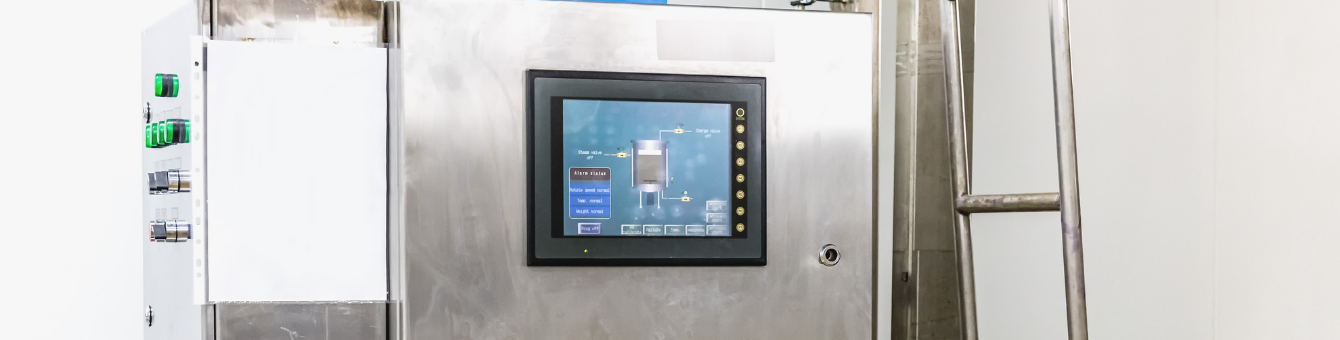
A saved roast profile is only as repeatable as the equipment carrying it out. If the roaster takes longer to warm up, responds differently between batches or starts producing unexplained temperature swings, the recipe may be innocent. The heat-control chain deserves a closer look.
Fuel delivery, combustion air, ignition, flame supervision, temperature sensing and control response all influence the heat reaching the product. A weakness at any point can show up in the roast.
That chain looks different on a small commercial roaster and a large industrial line. Follow the manufacturer's instructions, and use qualified personnel for work involving fuel, electrical or safety systems.
Depending on the machine, the search may lead to one or more of these areas:
Slow recovery, repeated ignition faults or an actuator that hesitates can point toward a developing problem. But inconsistent product can also come from airflow, loading, cleaning, sensor position or operating practice. It pays to investigate before ordering parts.
Write down the exact alarm, the operating stage and the conditions at the time. Those details give the technician something better than “it did it again” and reduce the odds of replacing a good component.
If the roaster is central to daily production, record its critical components while it is running well. Photograph the labels, capture full model numbers and flag anything already obsolete or difficult to obtain.
Pay special attention to programmable devices. Buying the hardware may not be enough; software, parameters or a stored program can be essential to putting it back into service.
Ordan Thermal supplies combustion, ignition, flame-management and control parts used in commercial and industrial roasters.
For a parts request, send the roaster make and model, the complete component number, readable nameplate photos and a few words about what the part does. That information lets us begin with the machine you actually have, not an assumption.


[1].png "Contact Us")
[1].png "Login")
[1].png "View Cart")