FREE Shipping on Eligible Canadian Orders $199+ Details
Written by: Ordan Thermal Staff
Date: September 1, 2026.
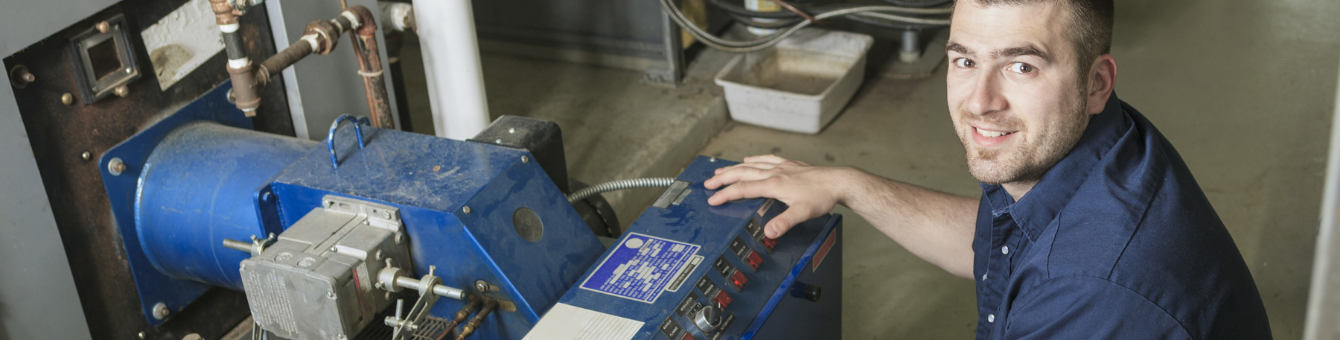
Industrial ovens and kilns often outlive several generations of controls. By the time a component fails, its label may be faded, its manufacturer may have changed names and the number in the old manual may have been discontinued years ago. A dead end in a web search does not necessarily mean the search is over.
Dimensions help, but they do not make two parts interchangeable. A valve, sensor, actuator or flame detector can occupy the same space and still have the wrong rating, signal or operating behaviour.
Collect the evidence before the component is removed. Once wires are disconnected and the part is sitting loose on a bench, useful context has already been lost.
Start with whatever you can recover from the machine and the plant records:
The installed part is not always the original. Old purchase orders, maintenance notes and photographs can uncover a previous number or conversion that never made it into the manual.
A neighbouring “identical” machine can provide clues, but compare carefully. Equipment revisions and earlier modifications may mean the internals are not actually the same.
Sometimes the manufacturer offers a direct successor. Sometimes there is a conversion kit or a newer family of products. In other cases, the alternative may require changes to wiring, piping, mounting, programming or the control sequence.
Be especially careful with combustion-safety components. A technician, engineer or authority having jurisdiction may need to assess the change and decide whether additional approval is required.
Parts identification is a core part of Ordan Thermal's business. We use the details you send to trace current numbers, manufacturer successors and practical sourcing options.
For a parts request, send the roaster make and model, the complete component number, readable nameplate photos and a few words about what the part does. That information lets us begin with the machine you actually have, not an assumption.

[1].png "Contact Us")
[1].png "Login")
[1].png "View Cart")